Earn 3 Points With the Triple Bottom Line-Informed Design Credit in LEED V5: Your Step-by-Step Guide
LEED v5 introduces the
Triple Bottom Line-Informed Design (PRpc180) credit
– a game-changing Project Priority credit that rewards design teams with up to 3 points for quantifying financial, social, and environmental value across the full project lifecycle.
We break down what the credit asks for and how Autocase makes it simple to analyze, prioritize, and report on what truly matters—unlocking up to 3 points and supporting ESG-aligned decisions from goal-setting to reporting.
You’ll gain access to a limited Insights preview.
An Autocase representative will contact you to discuss your project and provide full access options.
To comply with privacy laws in North America, we require your consent to collect and process your email address for this purpose.
The intent of the credit is to support cost-effective and equitable sustainability by:
Guiding early goal setting aligned with key LEED v5 Impact Areas
Evaluating design alternatives based on life-cycle costs and co-benefits
Communicating the total value of green design through quantified/monetized TBL impacts
Project teams may pursue up to 3 points through any combination of the following options:
Quantify and monetize TBL impacts
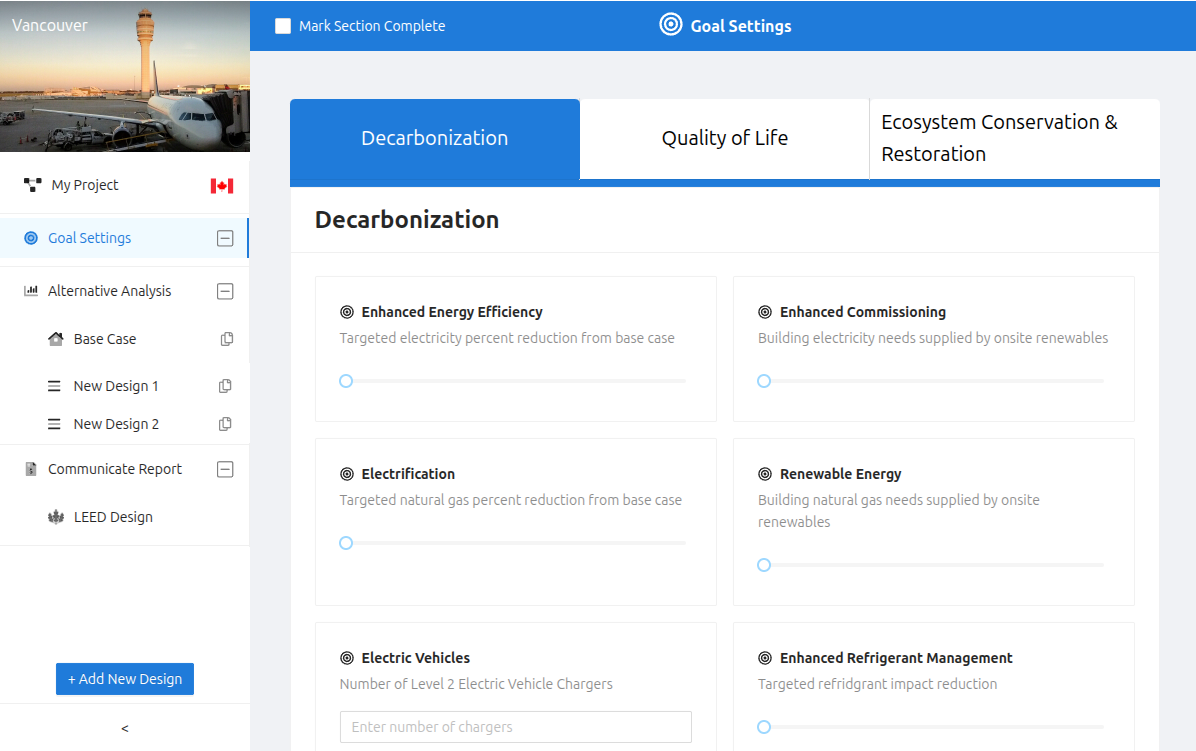
Quantify and monetize TBL impacts of at least one strategy from each of the following LEED v5 Impact Areas: (1) Decarbonization, (2) Quality of Life, (3) Ecosystem Conservation & Restoration
This fosters ESG-aligned goal setting early in the project lifecycle.
Perform a final design TBL analysis comparing your as-built sustainable design to a baseline. Include strategies from at least 8 credits across 3 credit categories.
This strengthens the business case for holistic, resilient, and inclusive design.
Quantify and monetize TBL impacts of at least one strategy from each of the following LEED v5 Impact Areas: (1) Decarbonization, (2) Quality of Life, (3) Ecosystem Conservation & Restoration
This fosters ESG-aligned goal setting early in the project lifecycle.
Perform a final design TBL analysis comparing your as-built sustainable design to a baseline. Include strategies from at least 8 credits across 3 credit categories.
This strengthens the business case for holistic, resilient, and inclusive design.
Align design goals with ESG and LEED priorities—right from the start
Use Autocase to evaluate high-level strategies aligned with LEED v5 Impact Areas (Decarbonization, Quality of Life, Ecosystem Conservation). Generate early insights into carbon, health, and cost outcomes to set credible, data-backed goals.
Compare sustainable strategies with TBL metrics like ROI, NPV, and GHG reduction
From HVAC to daylighting to low-carbon materials, Autocase helps you compare alternatives side-by-side. Quickly identify the most cost-effective design scenarios across people, planet, and profit.
Generate LEED-compliant documentation that showcases the full impact of your design
Create polished reports that translate carbon, health, and cost savings into real-world outcomes. Perfect for earning the LEED v5 TBL credit, meeting ESG requirements, and winning stakeholder buy-in.
Align design goals with ESG and LEED priorities—right from the start
Use Autocase to evaluate high-level strategies aligned with LEED v5 Impact Areas (Decarbonization, Quality of Life, Ecosystem Conservation). Generate early insights into carbon, health, and cost outcomes to set credible, data-backed goals.
Compare sustainable strategies with TBL metrics like ROI, NPV, and GHG reduction
From HVAC to daylighting to low-carbon materials, Autocase helps you compare alternatives side-by-side. Quickly identify the most cost-effective design scenarios across people, planet, and profit.
Generate LEED-compliant documentation that showcases the full impact of your design
Create polished reports that translate carbon, health, and cost savings into real-world outcomes. Perfect for earning the LEED v5 TBL credit, meeting ESG requirements, and winning stakeholder buy-in.
Valuable tools trusted by the world's leading design firms
Trusted by AEC, Government & Fortune 500 Firms
Autocase has supported top architecture, engineering, and real estate teams for over a decade. Our TBL and life-cycle cost frameworks are rooted in methods trusted by government agencies and ESG investors alike.
Powered by Peer-Reviewed + Location-Specific Data
We pull in economic, emissions, utility, health, and environmental data—tailored by project type and location. Back your design choices with jurisdictionally-relevant metrics.
Built-in Support from Industry Experts
Our licenses include training and hands-on support. From LEED consultants to economists, we help you model, review, and present your business case with confidence.
Learn how Triple Bottom Line analysis supports LEED design, certification, and ESG reporting.
See Autocase in Action - Live Demo of TBL Analysis for LEED v5
How Autocase® empowers your workflow:
Location-based data
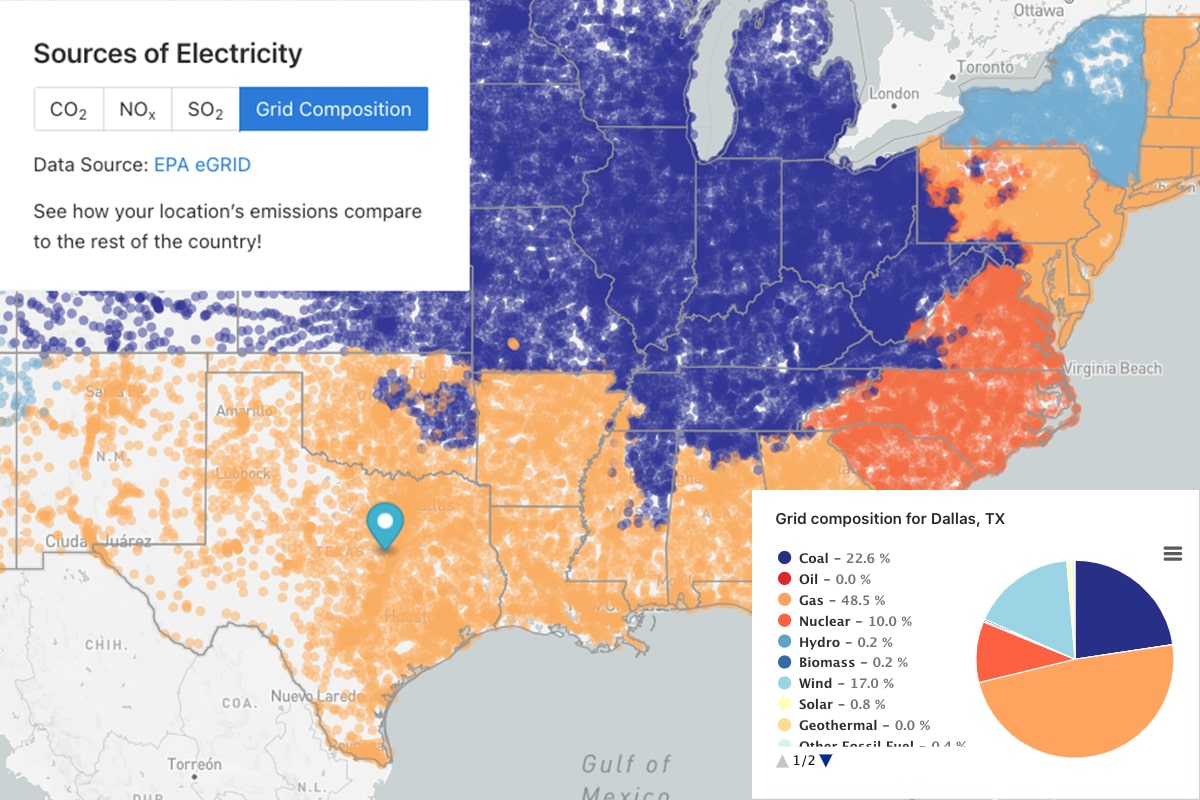
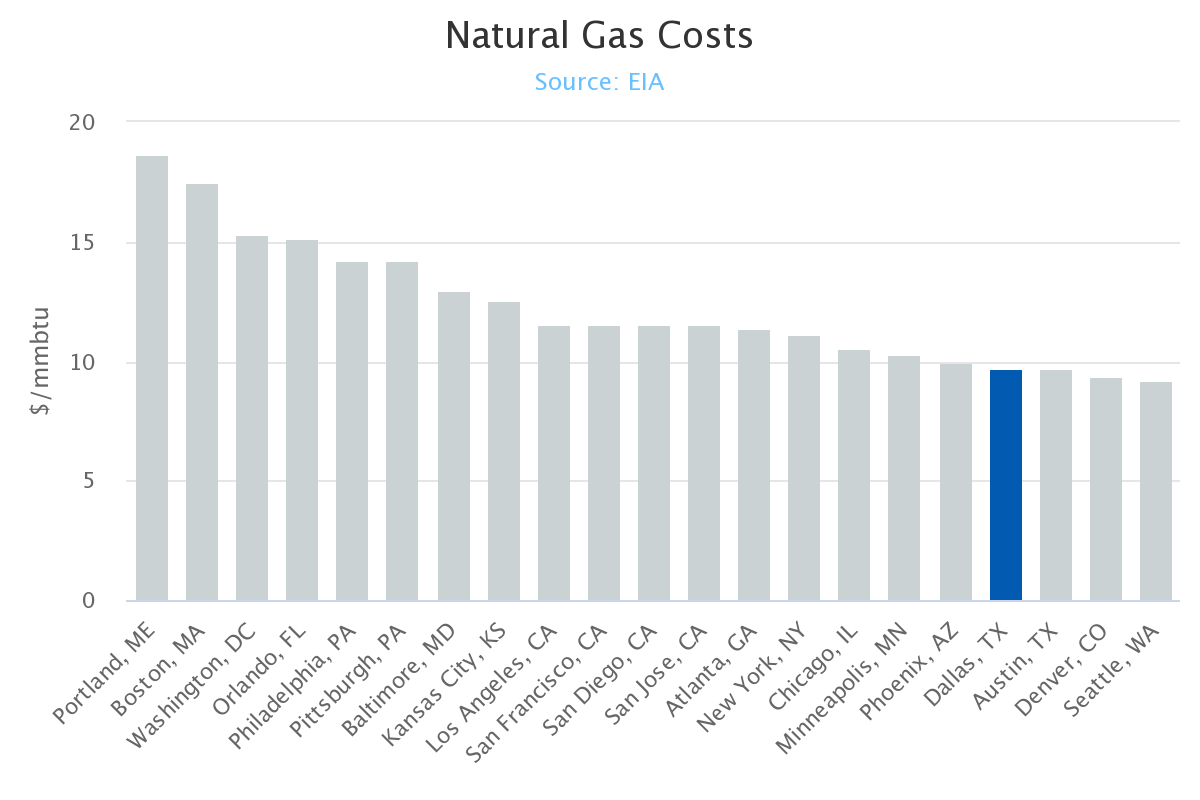
Instant access to emissions, utility rates, and climate data—by location
Autocase saves you hours of research by automatically pulling in location-specific defaults for your project—from electricity emissions and natural gas rates to air pollution, climate risk, and socio-economic indicators.
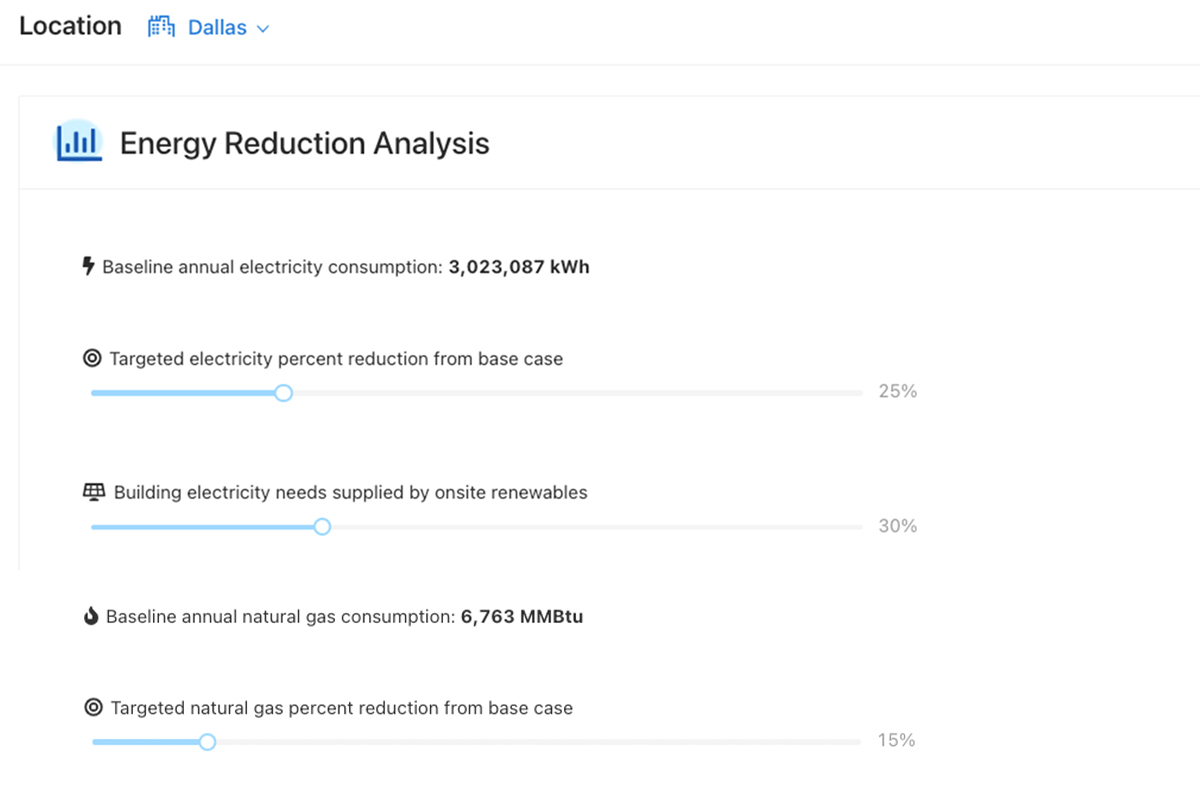
Use our planning tools to get started with credible baselines and regionally appropriate assumptions aligned with LEED and ESG frameworks.
Compare, iterate, and prioritize the most impactful design strategies
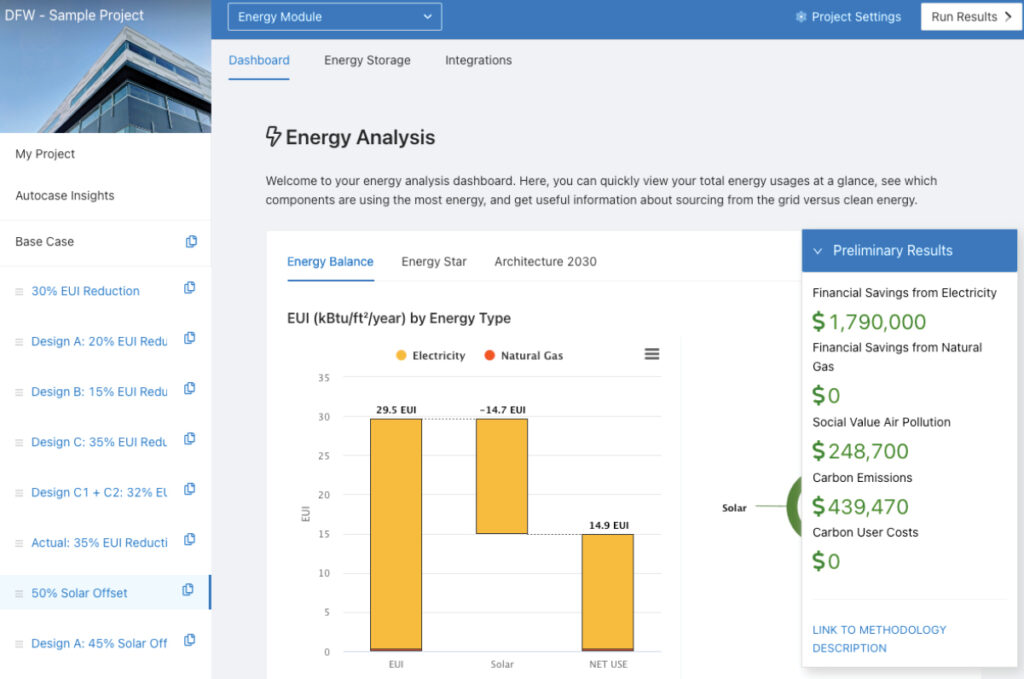
Autocase lets you test multiple design options side-by-side, so you can identify the most cost-effective way to meet project goals—whether you’re improving envelope performance, optimizing HVAC, or increasing renewable energy.
Use metrics like Net Present Value, Benefit-Cost Ratio, and GHG reductions to prioritize what drives value across the triple bottom line.
Showcase the ROI of sustainable design—financial, social & environmental
Generate LEED-aligned reports that quantify and monetize the full value of your design decisions—from carbon and co-pollutant reductions to health, productivity, and cost savings.
Easily export documentation to support the LEED v5 Project Priority credit—or your internal ESG reporting needs.
This website uses cookies to improve your experience while you navigate through the website. Out of these cookies, the cookies that are categorized as necessary are stored on your browser as they are essential for the working of basic functionalities of the website. We also use third-party cookies that help us analyze and understand how you use this website. These cookies will be stored in your browser only with your consent. You also have the option to opt-out of these cookies. But opting out of some of these cookies may have an effect on your browsing experience.
Necessary cookies are absolutely essential for the website to function properly. This category only includes cookies that ensures basic functionalities and security features of the website. These cookies do not store any personal information.
Any cookies that may not be particularly necessary for the website to function and is used specifically to collect user personal data via analytics, ads, other embedded contents are termed as non-necessary cookies. It is mandatory to procure user consent prior to running these cookies on your website.